


“Investment Strategies for High-Stakes Traders” explores advanced tactics used by experienced investors and institutional traders to navigate volatile markets and secure substantial returns. This blog delves into strategies such as leveraging options, short selling, and using complex derivative instruments to manage risk and maximize profit potential. High-stakes traders focus on precision timing, data analysis, and anticipating market trends before they become widely recognized. The blog highlights the importance of understanding market psychology, identifying key indicators of institutional activity, and deploying capital efficiently. For those trading with significant stakes, mastering these strategies can provide a competitive edge in fast-moving markets.
Advanced Options Strategies for Maximizing Profit Potential
High-stakes traders often use advanced options strategies such as spreads, straddles, and strangles to amplify returns. By combining various options, traders can position themselves for profits in both bullish and bearish markets while controlling risk. These strategies allow for increased leverage and precision in navigating market volatility.
Understanding Spreads: Reducing Risk While Maximizing Return
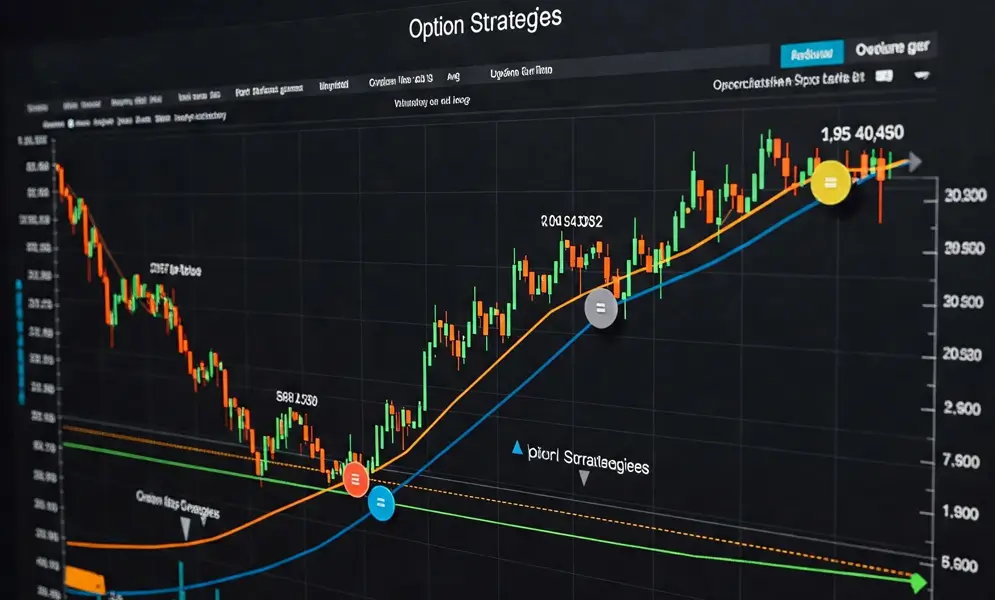
Options spreads, such as vertical and horizontal spreads, allow traders to limit potential losses while positioning themselves for profitable opportunities. By simultaneously buying and selling options with different strike prices or expiration dates, traders can manage risk more effectively. These strategies balance potential profit and risk, enabling traders to take advantage of market movements without exposing themselves to excessive downside.
Straddle and Strangle Strategies for Volatile Markets
Straddle and strangle strategies involve buying both call and put options on the same asset, expecting significant price movement in either direction. A straddle uses the same strike price for both options, while a strangle uses different strike prices. These strategies benefit from volatility, allowing traders to profit regardless of the market direction.
Leverage and Margin Trading: Maximizing Capital Efficiency
Institutional investors hold the power to move markets due to their large capital reserves. Their trades can signal shifts in market sentiment, from bullish to bearish, prompting retail investors to follow their lead. By identifying institutional activity early, investors can anticipate broader market changes before they fully materialize.
Understanding Leverage: Amplifying Potential Returns and Risks
Leverage enables traders to control larger positions with less initial capital, significantly amplifying potential returns. However, it also increases exposure to risk. A high leverage ratio means that even small price movements can result in substantial profits or losses. Understanding the balance between using leverage effectively and managing risk is critical for successful high-stakes trading.
Margin Calls: Risks and Strategies to Avoid Them
Margin trading involves borrowing funds to trade, and if the value of the position falls significantly, a margin call may occur, requiring additional funds to maintain the position. High-stakes traders must monitor their margin levels closely, implement risk management strategies, and set stop-loss orders to avoid margin calls and preserve capital.
“High-stakes traders thrive on precision and strategy. By understanding market trends and leveraging advanced instruments, they position themselves for maximum returns in volatile environments.”
Alexander M. Brooks
Short Selling: Capitalizing on Declining Markets
The actions of institutional investors can lead to significant market volatility, particularly when they make large trades or shift their positions. Their strategies often involve complex algorithms and insider knowledge, which can create fluctuations that provide opportunities for well-informed traders to capitalize on market mispricings.
Mastering Short Selling to Profit in Downturns
Short selling allows traders to capitalize on declining markets by borrowing stocks to sell at current prices and repurchasing them at lower levels. This strategy is particularly effective when markets or individual stocks show signs of weakening. However, understanding timing and risk management is crucial for success, as losses can be unlimited if the market moves against the position.
Risk Management in Short Selling for Success
Short selling carries inherent risk, especially in volatile or unpredictable markets. Effective risk management strategies, such as setting stop-loss orders and using options as hedges, are essential to minimize potential losses. High-stakes traders must balance the potential rewards of short selling with the risk of significant market reversals.
Using Derivatives for Risk Management and Hedging
Recognizing institutional activity is key to understanding market movements. Investors can track unusual options volumes, large block trades, and specific price movements to detect when institutional money is making a move. Identifying these signs early gives investors a significant advantage in positioning themselves ahead of market trends.
Hedging Stock Positions with Options and Futures
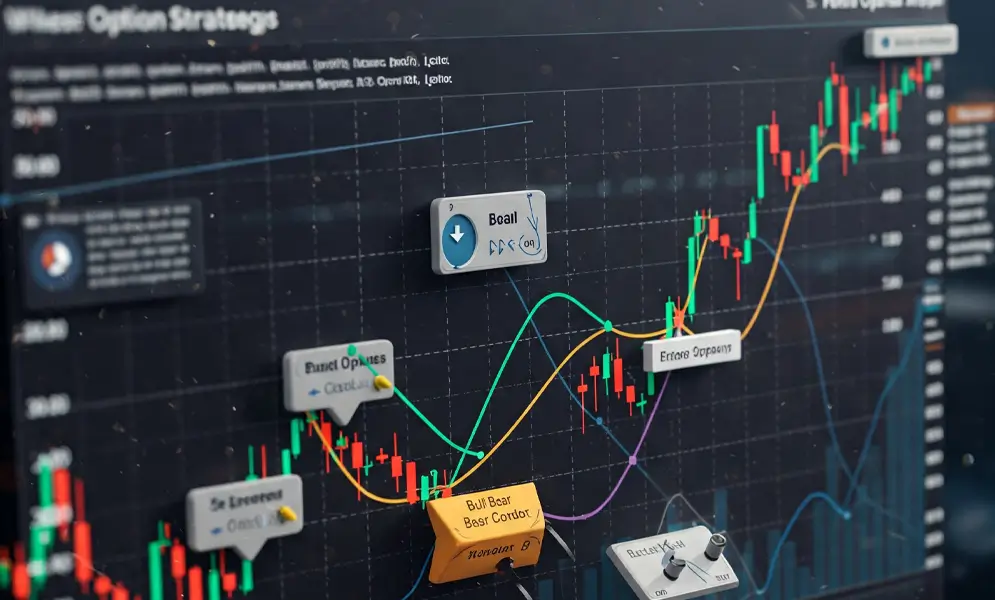
Institutional investors and high-stakes traders often use options and futures to hedge against market fluctuations. By purchasing put options or selling futures contracts, they can protect their portfolios from potential downside risk. These derivatives act as a safety net, allowing traders to limit losses while maintaining exposure to the upside of their investments.
Strategies for Reducing Portfolio Volatility Using Derivatives
Traders use derivatives like options and futures to reduce the overall volatility of their portfolios. By creating positions that offset potential losses, they can smooth out the impact of market swings. This risk management technique ensures that large, unexpected price movements do not disproportionately affect their overall portfolio performance.
Conclusion
In conclusion, investment strategies for high-stakes traders are about mastering the balance between risk and reward. By employing advanced tactics like options strategies, leverage, short selling, and derivatives, experienced traders can navigate volatile markets with precision. The key to success lies in disciplined risk management, data-driven decisions, and the ability to anticipate market trends. High-stakes trading is not for the faint of heart, but with the right strategies in place, traders can capitalize on opportunities, protect their positions, and maximize returns. By staying ahead of market shifts and utilizing sophisticated tools, high-stakes traders can secure long-term success.