

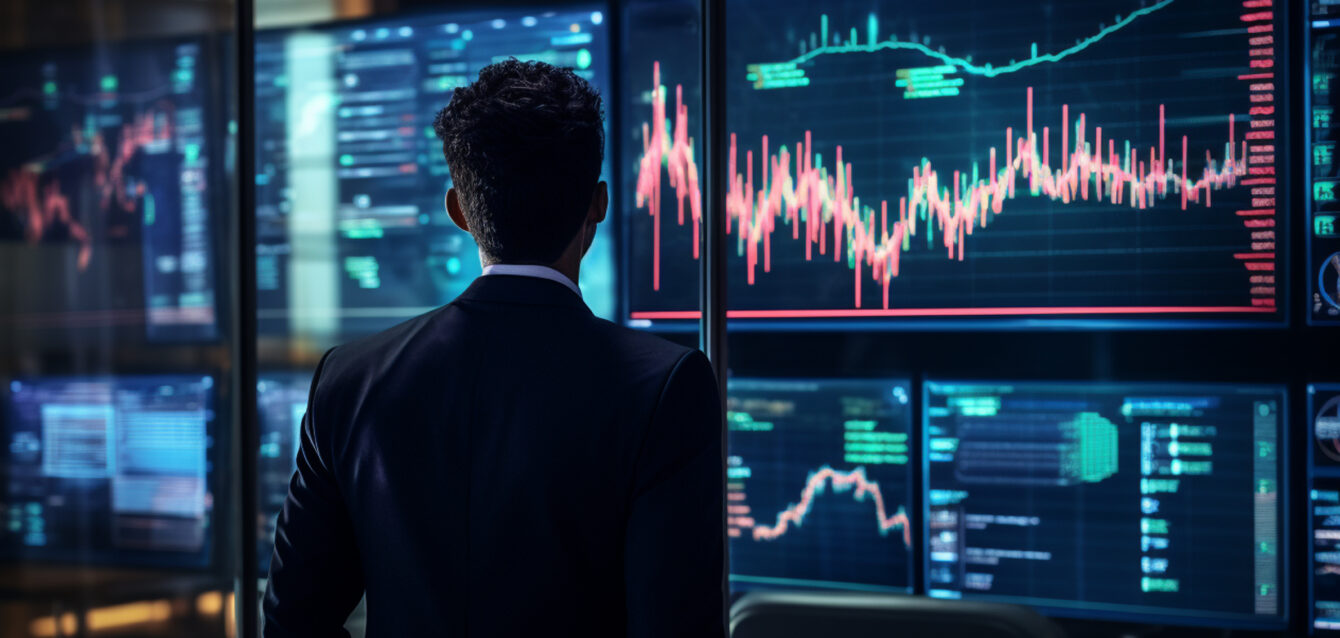
“How Real-Time Data Transforms Institutional Trading” explores the critical role that real-time data plays in shaping the strategies of institutional investors. In today’s fast-paced markets, having access to live data allows institutions to make swift, informed decisions, often before the broader market reacts. Real-time data feeds provide insights into market conditions, price movements, and unusual activity, enabling investors to identify emerging trends and adjust positions accordingly. This agility enhances their ability to capitalize on opportunities, manage risk, and optimize returns. As technology continues to evolve, real-time data remains a cornerstone of successful institutional trading strategies.
Leveraging Real-Time Data for Strategic Market Positioning
Institutional traders use real-time data to strategically position themselves before broader market movements. By analyzing live market feeds, they can identify price fluctuations, sentiment shifts, and emerging trends. This early insight allows them to make calculated moves that often outperform traditional, slower reactions from other market participants, securing profits ahead of widespread awareness.
Analyzing Market Sentiment Through Real-Time Data
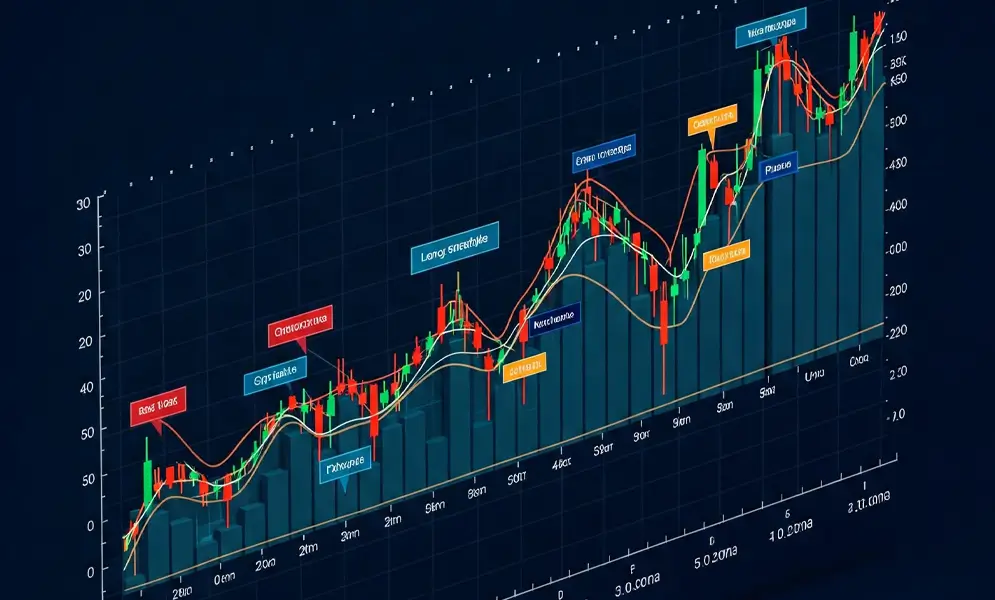
Institutional traders leverage real-time data to monitor market sentiment and adjust strategies accordingly. By tracking price movements, news feeds, and social media trends, they can identify shifts in investor mood. This data allows them to position trades based on the likely direction of the market, often getting ahead of the broader market consensus.
Real-Time Data for Timing Entry and Exit Points
Real-time data empowers traders to pinpoint optimal entry and exit points. By analyzing live price fluctuations, volume spikes, and news events, institutional investors can make precise decisions on when to enter or exit trades. This capability ensures they capitalize on market movements before they become apparent to others, securing better returns.
Enhancing Risk Management with Live Market Data
Real-time data allows institutional investors to assess risk more effectively by providing up-to-the-minute market conditions. With live information on volatility, liquidity, and trends, traders can make quick decisions to hedge against risks. This ensures their portfolios are shielded from sudden market movements while still positioning for potential growth.
Real-Time Data for Identifying and Mitigating Risks
Live market data empowers institutional traders to spot risks in real-time. By tracking market volatility, sudden price swings, and shifts in sentiment, traders can act swiftly to protect their portfolios. This ability to monitor potential threats allows them to adjust strategies immediately, minimizing losses and safeguarding investments against unexpected market downturns.
Dynamic Hedging Strategies Powered by Live Data
With real-time market information, institutional investors can implement dynamic hedging strategies to adjust their positions as conditions evolve. This ongoing monitoring allows for precise adjustments to hedging instruments like options or futures, providing ongoing risk mitigation and ensuring portfolios are protected against changing market dynamics.
“In institutional trading, real-time data is no longer a luxury—it’s a necessity. Immediate access to market conditions empowers investors to act swiftly and decisively, securing advantages in fast-moving markets.”
Benjamin J. Clark
Improving Trade Execution Speed Using Live Data Feeds
In the fast-paced world of institutional trading, executing trades swiftly is crucial. Real-time data helps traders capture the best entry and exit points, minimizing slippage and maximizing profits. By acting on live market data, institutional traders can outperform others who rely on delayed information, thus improving trade execution and overall returns.
Optimizing Entry and Exit Points with Live Data
Using live data feeds, institutional traders can pinpoint optimal entry and exit points, improving their overall trade execution. Real-time updates enable them to react immediately to price changes, reducing the chances of missed opportunities. By quickly adjusting their positions based on current market conditions, traders can avoid slippage and secure more favorable trade outcomes.
Minimizing Slippage Through Real-Time Data Access
Real-time data access helps traders minimize slippage by allowing them to execute trades at the most advantageous prices. Instant data on market conditions ensures they act before sudden price movements occur, avoiding large discrepancies between the expected and actual execution prices. This leads to more accurate trades and higher profitability.
Anticipating Market Trends with Instant Data Analysis
Real-time data enables institutional traders to analyze and predict market trends with greater accuracy. By monitoring live price movements and market sentiment, they can identify early signs of trends before they are widely acknowledged. This allows them to enter markets ahead of larger investors, potentially capturing substantial profits before broader awareness takes hold.
Using Real-Time Data to Predict Market Movements
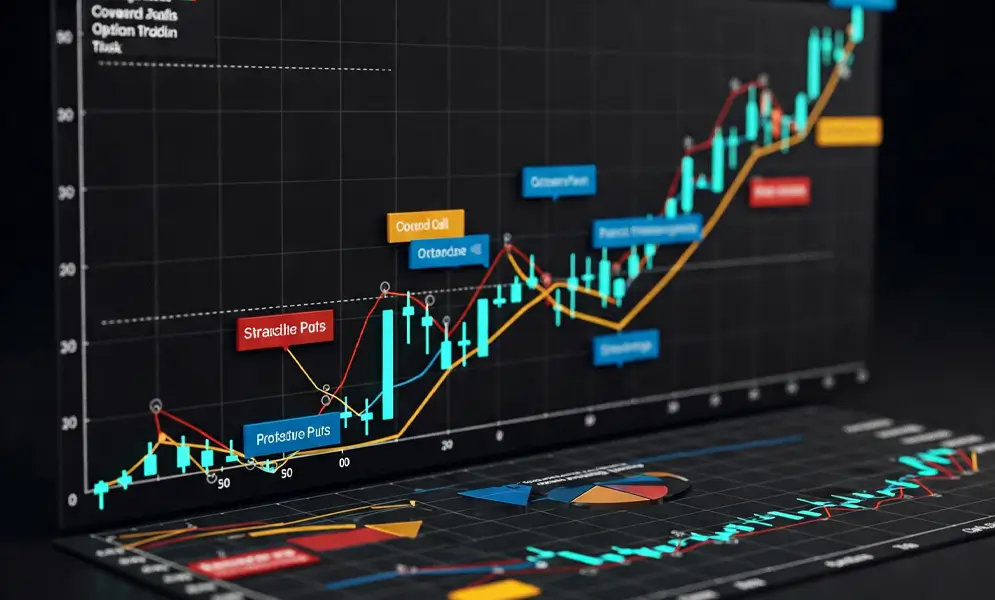
Institutional traders leverage real-time data to anticipate short-term and long-term market trends. By analyzing price changes, volume shifts, and sentiment indicators as they happen, traders can identify patterns and emerging movements before they are reflected in broader market analysis. This ability to foresee trends gives them a competitive advantage in positioning their portfolios for profit.
Real-Time Sentiment Analysis for Predicting Market Shifts
By using instant sentiment analysis tools alongside live data feeds, institutional traders can gauge the market’s emotional reaction to events. This allows them to predict price movements and shifts in market sentiment. Acting on these insights quickly positions traders ahead of mass market reactions, potentially maximizing returns from impending market changes.
Conclusion
In conclusion, real-time data has revolutionized institutional trading by providing investors with the insights needed to act swiftly and strategically. The ability to access live market feeds allows traders to anticipate market movements, optimize trade execution, and enhance risk management. By analyzing immediate data, institutional investors can stay ahead of broader market trends and secure profits before the general public reacts. As technology continues to evolve, real-time data remains an indispensable tool in the arsenal of institutional traders, empowering them to make informed decisions and maintain a competitive edge in today’s fast-paced financial landscape.