

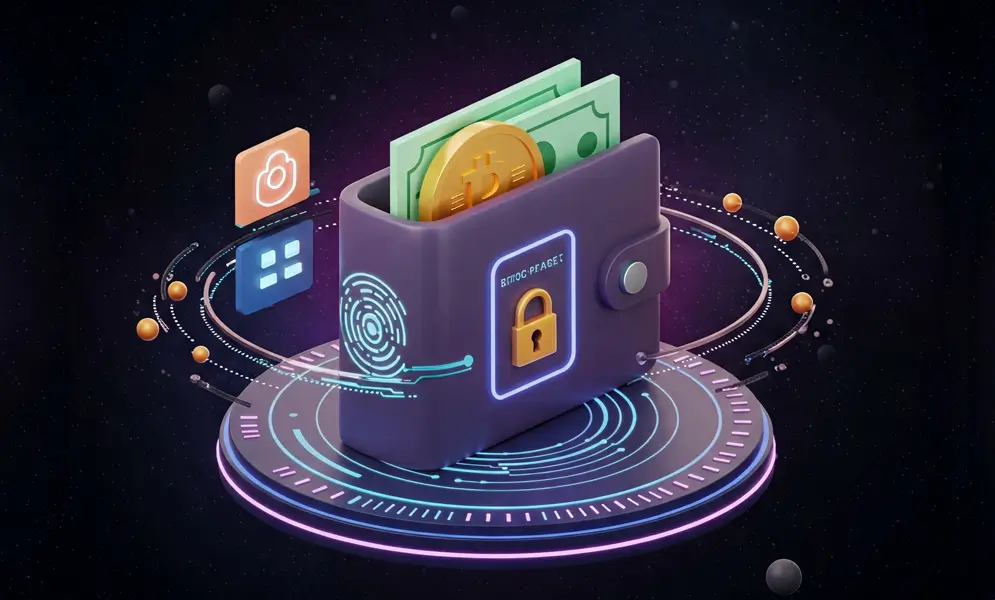
Securing cryptocurrency assets is more crucial than ever. With cyber threats on the rise, understanding the best practices and blockchain-based solutions for crypto wallet security is essential. This guide explores the most effective ways to safeguard digital assets while leveraging blockchain innovations for enhanced security.
Understanding Crypto Wallet Security
A cryptocurrency wallet serves as a digital tool that allows users to store, send, and receive cryptocurrencies securely. However, contrary to popular belief, crypto wallets do not store actual coins; instead, they safeguard private keys, which provide access to blockchain-stored funds.
Crypto wallets come in various forms, including:
- Hardware wallets – Physical devices that keep private keys offline, making them resistant to hacking.
- Software wallets – Digital applications installed on computers or mobile devices, offering convenience but with greater exposure to cyber threats.
- Paper wallets – Physical documents containing private keys, providing offline security but requiring careful handling.
Security threats targeting crypto wallets include phishing attacks, malware infections, SIM-swapping scams, and social engineering tactics. Because blockchain transactions are irreversible, any compromised wallet may result in permanent loss of funds. Understanding these risks is the first step toward developing a solid security strategy.
Best Practices for Securing Crypto Wallets
Cryptocurrency security starts with adopting robust protective measures. Users must be proactive in securing their wallets to prevent unauthorized access and digital asset loss. Below are some of the most effective security best practices.
Use Hardware Wallets for Maximum Security
Hardware wallets are among the most secure ways to store cryptocurrency. These physical devices store private keys offline, making them immune to online hacking attempts. Unlike software wallets, hardware wallets such as Ledger and Trezor provide a secure environment for transactions without exposing keys to potential cyber threats.
By keeping private keys offline, hardware wallets eliminate the risk of malware infections, keyloggers, and phishing attacks that commonly target software wallets. Moreover, even if a hacker gains access to a user’s computer or mobile device, the funds remain secure since transactions require physical confirmation on the hardware device.
While hardware wallets provide excellent security, they must be handled with care. Losing a hardware wallet or forgetting the recovery phrase can result in permanent loss of assets. Thus, proper backup procedures should be followed to ensure access can be restored if needed.
Enable Multi-Factor Authentication (MFA)
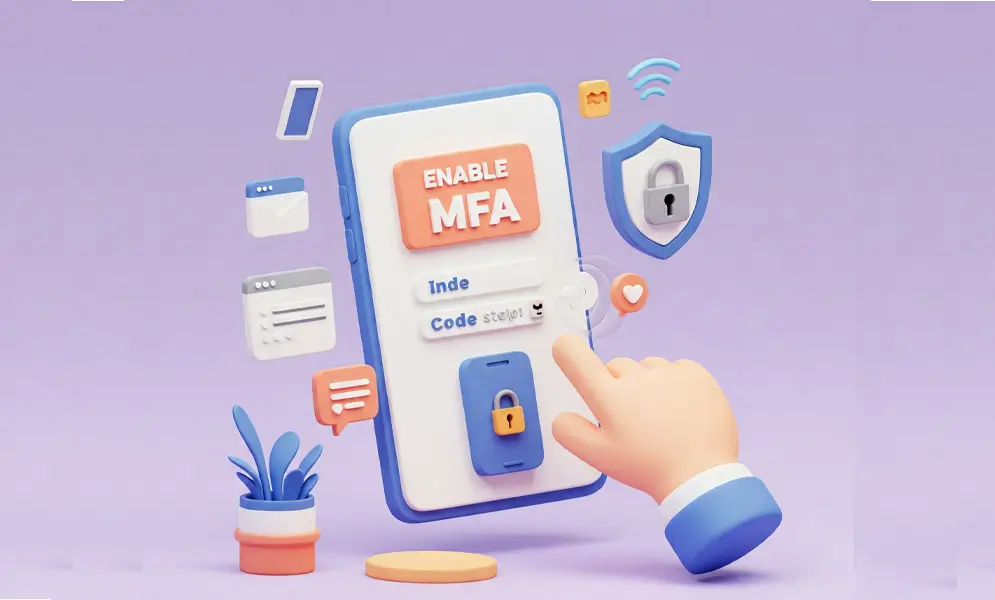
Multi-factor authentication (MFA) enhances crypto wallet security by requiring multiple verification steps beyond just a password. This added layer of security helps prevent unauthorized access, even if login credentials are compromised.
Various MFA methods include:
- Time-based one-time passwords (TOTP) – Apps like Google Authenticator generate dynamic codes.
- Biometric authentication – Fingerprint and facial recognition provide a secure and convenient alternative.
- Hardware security keys – Devices like YubiKey offer a physical form of authentication, reducing the risk of remote attacks.
While SMS-based MFA is commonly used, it is vulnerable to SIM-swapping attacks. To maximize security, users should opt for authenticator apps or hardware-based authentication whenever possible.
Regularly Update Wallet Software
Security vulnerabilities can emerge over time, making it essential to keep wallet software up to date. Developers frequently release patches and updates to address potential threats. By ensuring that the latest version is installed, users can benefit from enhanced security features and improved protection.
Hackers often exploit outdated software with known vulnerabilities, making unpatched wallets easy targets. Therefore, users should enable automatic updates whenever possible or regularly check for new versions of their wallet software.
In addition, wallets that support open-source development allow for transparency and community audits, ensuring that security issues are quickly identified and resolved. Choosing reputable wallets with active developer support can greatly enhance security.
Backup Private Keys and Seed Phrases Securely
Losing access to a crypto wallet due to forgotten credentials or damaged hardware can be catastrophic. Unlike traditional financial institutions, cryptocurrency platforms do not offer password recovery services. Therefore, backing up private keys and seed phrases is essential.
Recommended backup strategies include:
- Writing down seed phrases on paper and storing them securely.
- Using fireproof and waterproof storage solutions, such as metal seed storage devices.
- Avoiding digital backups to reduce the risk of hacking or unauthorized access.
Ideally, multiple copies of the backup should be stored in different secure locations to prevent accidental loss.
“Crypto security is not just an option; it’s a necessity. The future of digital finance depends on how well we protect our assets today.”
Satoshi Nakamoto
Blockchain Solutions for Crypto Wallet Security
Blockchain technology itself offers innovative solutions for enhancing wallet security. By leveraging decentralized protocols, cryptographic techniques, and smart contracts, users can further protect their digital assets from potential threats.
Multi-Signature Authentication
Multi-signature (multi-sig) wallets require multiple private keys to authorize transactions. This adds an extra security layer, ensuring that no single compromised key can lead to unauthorized transfers. Many institutional investors and businesses rely on multi-sig authentication for added protection.
For example, a company managing crypto funds can require signatures from multiple team members before approving a transaction, reducing the risk of insider fraud. Individuals can also use multi-sig wallets to distribute control over their assets, preventing a single point of failure.
Decentralized Identity (DID) Solutions
Decentralized identity solutions eliminate the need for centralized databases, which are often targeted by hackers. Instead, users control their identity verification process through blockchain-based cryptographic keys.
With DID solutions, users can:
- Securely log in without sharing personal data.
- Reduce their exposure to data breaches and identity theft.
- Maintain privacy while accessing blockchain services.
This decentralized authentication method prevents unauthorized account takeovers and minimizes security risks associated with traditional username-password systems.
Smart Contract-Based Security Protocols
Smart contracts enhance security by automating transactions based on predefined conditions. These self-executing contracts ensure that digital assets are only transferred when specific criteria are met, reducing the risk of fraud and unauthorized access.
For instance, smart contracts can be programmed to release funds only when all security checks have been completed. In case of a security breach, these contracts can also execute emergency protocols, such as freezing accounts or triggering recovery mechanisms.
Emerging Trends in Crypto Security
The world of cryptocurrency security is constantly evolving, with new technologies and methods being developed to counter cyber threats. Several emerging trends aim to strengthen security measures while ensuring user privacy and transaction integrity.
Artificial Intelligence in Threat Detection
Artificial intelligence (AI) is playing an increasingly vital role in detecting threats and improving crypto security. By leveraging machine learning algorithms, AI tools analyze vast amounts of data, such as blockchain transactions, user behaviors, and network anomalies, to identify patterns that indicate potential vulnerabilities or attacks. What makes AI-powered threat detection so effective is its ability to work in real time, offering proactive protection before a security breach can occur.

AI tools can detect suspicious activity, such as an unusual spike in transaction frequency, unauthorized access attempts, or discrepancies in transaction patterns, and flag these activities for review. As cybercriminals develop more advanced hacking techniques, AI systems continue to evolve and adapt, making them a key player in next-generation security solutions for cryptocurrencies.
Moreover, AI-based systems are capable of learning from previous incidents, which helps improve their accuracy over time. This leads to enhanced detection rates and quicker responses to potential security risks, ensuring users’ assets remain safe from evolving threats.
Zero-Knowledge Proofs for Privacy Protection
One of the most innovative solutions in cryptocurrency security is the implementation of zero-knowledge proofs (ZKP). This cryptographic method allows users to prove they know a piece of information (like a password or transaction details) without revealing the actual information itself. In the context of blockchain, ZKPs can be used to confirm ownership of assets or the legitimacy of a transaction, without exposing sensitive data to third parties.
This is particularly beneficial for privacy-conscious crypto users, as it enhances both security and anonymity. In a world where data breaches are all too common, ZKPs offer a way to prove authenticity while minimizing the amount of personal or financial information exposed. By reducing the risk of data leaks, users can conduct transactions with confidence, knowing that their privacy is protected.
Quantum-Resistant Cryptography
The advent of quantum computing has raised significant concerns about the security of traditional cryptographic algorithms, which could potentially be broken by quantum machines. These powerful computers have the potential to crack the encryption methods currently used to secure blockchain transactions and wallets. In response to this emerging threat, researchers are focusing on the development of quantum-resistant cryptography.
Quantum-resistant cryptography involves creating algorithms that are impervious to attacks from quantum computers. These algorithms are designed to withstand the computational power of quantum machines, ensuring that blockchain networks and crypto wallets remain secure in a post-quantum world. While quantum computers capable of breaking current encryption methods are still in the developmental stage, the cryptographic community is proactively working on solutions to safeguard the future of blockchain technology.
Moreover, quantum-resistant cryptographic techniques are being incorporated into blockchain projects, with the goal of future-proofing these systems as quantum computing becomes more prevalent. Implementing quantum-resistant solutions now will ensure that cryptocurrency wallets and transactions remain protected from potential quantum-powered breaches in the years to come.
Conclusion
Securing a cryptocurrency wallet requires a combination of best practices, blockchain-based security solutions, and staying informed about emerging threats. By using hardware wallets, enabling multi-factor authentication, keeping wallet software updated, and safely storing private keys, users can significantly reduce the risk of unauthorized access.
Additionally, blockchain innovations such as multi-signature authentication, decentralized identity solutions, and smart contract security protocols further enhance protection. As the crypto industry evolves, proactive security measures will be crucial in maintaining a safe and secure digital financial ecosystem.
By taking the necessary steps today, investors and traders can ensure that their cryptocurrency assets remain secure in an increasingly digital and decentralized world.