


Blockchain technology has emerged as a game-changer in the financial industry, revolutionizing how trades are executed, verified, and recorded. Traditional trading systems often suffer from inefficiencies, lack of transparency, and vulnerabilities to fraud. However, blockchain offers a decentralized, secure, and immutable solution that enhances the integrity of financial transactions.
By leveraging blockchain in trading, market participants benefit from real-time transaction verification, reduced settlement times, and enhanced security. As global financial institutions increasingly adopt blockchain, it is transforming the trading landscape, making processes more efficient and trustworthy. This article explores how blockchain enhances transparency, improves trade execution, and reshapes risk management strategies in the financial sector.
The Role of Blockchain in Financial Trading
Blockchain technology serves as a distributed ledger system that records transactions in an immutable and transparent manner. Unlike traditional centralized databases, blockchain operates on a decentralized network, ensuring that all transactions are verifiable and resistant to tampering.
In financial trading, this technology eliminates the need for intermediaries, reduces settlement delays, and provides a real-time audit trail for every transaction. Blockchain-powered trading platforms enhance data integrity, making it easier for traders and regulators to track and verify transactions.
How Blockchain Enhances Trading Operations
- Decentralized Trade Execution: Transactions occur directly between participants without reliance on centralized exchanges.
- Smart Contracts: Automated contracts execute trades only when predefined conditions are met, reducing manual errors.
- Faster Settlement Times: Blockchain eliminates third-party verification delays, allowing near-instant trade settlements.
- Transparency and Auditability: Every transaction is permanently recorded, ensuring complete trade visibility.
Benefits of a Decentralized Ledger in Trading
- Eliminates Fraud: Transactions are immutable and verified by a decentralized network.
- Reduces Costs: By cutting out intermediaries, traders save on transaction and processing fees.
- Enhances Market Trust: Transparent records reduce market manipulation and increase investor confidence.
- Improves Efficiency: Automated processes streamline trade execution and settlement workflows.
By integrating blockchain, trading platforms can offer more secure, cost-effective, and transparent solutions, redefining the future of financial markets.
Enhancing Transparency with Blockchain-Powered Trade Verification
Transparency is a major concern in financial trading, as traders often struggle with hidden fees, lack of real-time data, and opaque regulatory frameworks. Blockchain provides a single source of truth by recording every trade on a public or private ledger that can be accessed by authorized parties.
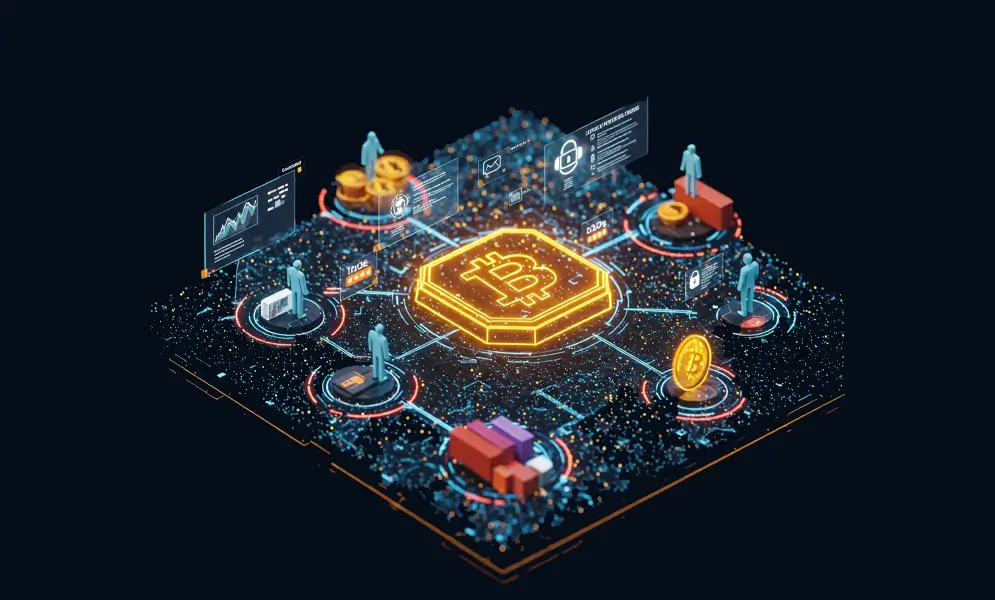
The decentralized nature of blockchain ensures that trade data is not controlled by a single entity, reducing the chances of price manipulation and insider trading. This increased transparency builds trust among investors and regulators, ultimately leading to fairer markets.
Key Blockchain Features that Improve Transparency
- Immutable Trade Records: Once recorded, transactions cannot be altered or deleted.
- Distributed Access: All market participants can verify trade records in real time.
- Regulatory Compliance: Blockchain enables automatic reporting, making audits more efficient.
- Eliminates Trade Disputes: Transparent records ensure that all transactions are accurate and traceable.
Real-World Use Cases of Blockchain in Transparent Trading
- Stock Exchanges: Blockchain is being tested for clearing and settlement processes to reduce fraud.
- Foreign Exchange Markets: Decentralized ledgers enhance forex trade verification and reduce manipulation.
- Commodity Trading: Blockchain tracks ownership and transactions of commodities like gold and oil.
With blockchain, financial markets can move toward a more transparent, fair, and efficient trading environment.
“Blockchain is revolutionizing financial trading by eliminating intermediaries, reducing settlement times, and enhancing transparency. With decentralized trade execution, smart contracts, and immutable records, blockchain ensures secure and efficient transactions. As global adoption grows, this technology will redefine market trust, compliance, and risk management, shaping the future of trading.”
Michael Carter, Blockchain & Fintech Expert
Improving Trade Execution Efficiency with Smart Contracts
Smart contracts are self-executing agreements that automate trade execution when predefined conditions are met. These contracts eliminate human errors, reduce processing times, and ensure seamless trade settlements.
By leveraging smart contracts, trading platforms can execute buy/sell orders instantly, verify trade conditions, and reduce dependency on intermediaries. This automation significantly improves market efficiency and reduces operational risks.
How Smart Contracts Optimize Trade Execution
- Automated Order Matching: Smart contracts instantly process trades based on predefined criteria.
- No Middlemen Required: Eliminates brokers and clearinghouses, reducing costs.
- Error-Free Settlements: Self-executing contracts ensure that trade conditions are met without human intervention.
- Increased Market Liquidity: Faster transactions lead to higher trading volumes and improved liquidity.
Examples of Smart Contract Applications in Trading
- Decentralized Exchanges (DEXs): Platforms like Uniswap and PancakeSwap use smart contracts for peer-to-peer trading.
- Tokenized Securities: Digital assets backed by blockchain allow real-time trading without intermediaries.
- Automated Hedging Strategies: Smart contracts execute risk mitigation strategies in volatile markets.
Smart contracts are revolutionizing how trades are executed, making markets more dynamic, efficient, and cost-effective.
Risk Management with Blockchain: Reducing Counterparty Risks
One of the biggest challenges in trading is counterparty risk, where one party may default on its obligations. Blockchain mitigates this risk by providing a transparent and trustless environment where trades are verified automatically.

With blockchain, traders no longer have to rely on trust-based relationships. Instead, the system’s cryptographic verification ensures that all transactions are legitimate and irreversible, reducing financial risks.
How Blockchain Strengthens Risk Management
- Real-Time Trade Validation: Ensures that all transactions are verified before execution.
- Eliminates Third-Party Risk: Reduces dependency on centralized clearinghouses.
- Automated Collateralization: Smart contracts manage margin requirements to prevent defaults.
- Fraud Detection: Blockchain’s transparent ledger prevents identity fraud and wash trading.
Blockchain’s Role in Compliance and Security
- Anti-Money Laundering (AML): Blockchain helps track suspicious transactions in trading platforms.
- Know Your Customer (KYC): Identity verification processes become more secure with blockchain-based KYC solutions.
- Regulatory Reporting: Automated compliance reporting simplifies audits and legal compliance.
By enhancing risk management, blockchain makes financial markets more secure and resilient against fraud and manipulation.
The Future of Blockchain in Trading and Financial Markets
As blockchain adoption continues to grow, its impact on trading will expand beyond transparency and efficiency. Future advancements in blockchain technology will introduce new ways to optimize trade execution, risk management, and regulatory compliance.
Innovations such as decentralized finance (DeFi), tokenized assets, and cross-border trade settlements will further revolutionize financial markets. As more institutions integrate blockchain, we can expect a more efficient and trustworthy trading ecosystem.
Future Trends in Blockchain-Based Trading
- Decentralized Finance (DeFi): DeFi platforms eliminate traditional intermediaries, offering direct trading options.
- Interoperable Blockchains: Different blockchains will seamlessly communicate to enhance cross-platform trading.
- Artificial Intelligence & Blockchain: AI-powered analysis tools will enhance predictive trading on decentralized networks.
- Real-Time Global Settlements: Blockchain will enable instant, cross-border transactions with minimal fees.
Preparing for a Blockchain-Driven Trading Future
- Traders Should Embrace Digital Assets: Investing in blockchain-based assets can offer high-growth opportunities.
- Regulators Must Develop Blockchain Policies: Governments need to create legal frameworks for blockchain trading.
- Financial Institutions Should Upgrade Systems: Banks and exchanges must integrate blockchain for secure transactions.
Blockchain technology is here to stay, and its continuous evolution will shape the next generation of trading strategies.
Conclusion
Blockchain is transforming trading by introducing transparency, efficiency, and security. With decentralized trade execution, smart contracts, and enhanced risk management, blockchain eliminates traditional financial inefficiencies.
As global adoption increases, blockchain will play a pivotal role in financial markets, ensuring fair trading practices and seamless transaction processing. Traders and financial institutions must embrace blockchain to stay competitive in the evolving digital economy.