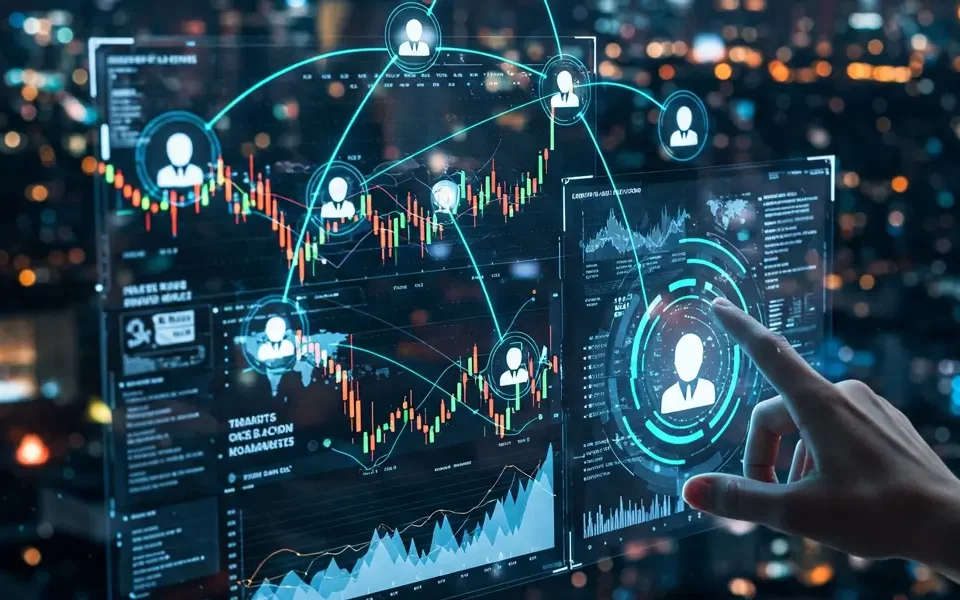

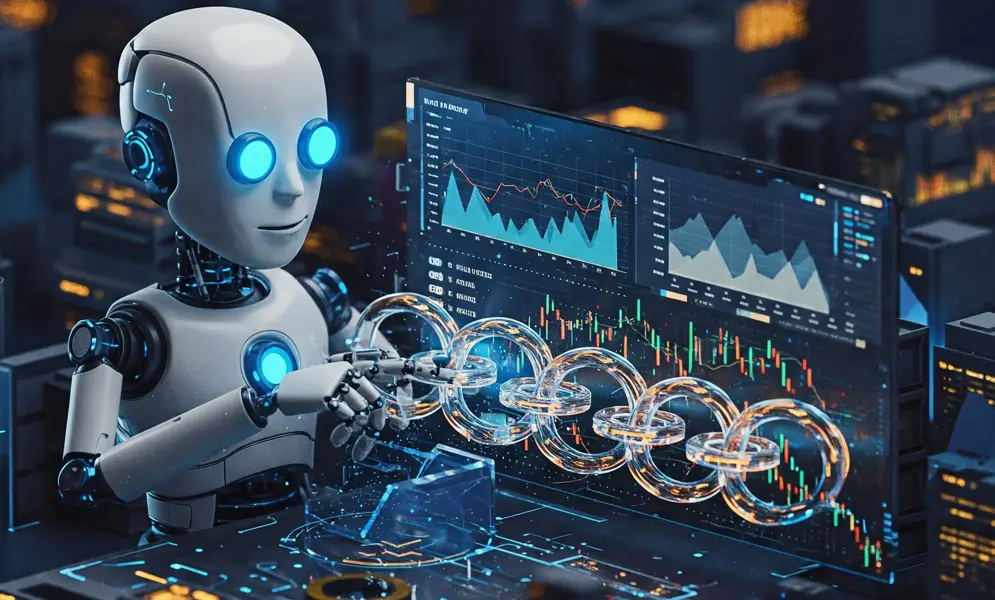
The integration of blockchain and artificial intelligence (AI) is revolutionizing financial markets, particularly in AI-driven trading systems. While AI improves decision-making by analyzing market trends, blockchain ensures transparency, security, and reliability. This powerful combination is enhancing trading efficiency, reducing risks, and building trust among traders and investors.
Furthermore, AI-driven trading algorithms are becoming more precise and adaptive, thanks to blockchain’s immutable ledger and decentralized nature. The synergy between these two technologies is reshaping financial markets, providing traders with secure and intelligent trading solutions. In this blog, we will explore how blockchain is enhancing AI-driven trading systems, its benefits, challenges, and future implications.
The Role of AI in Modern Trading Systems
AI has transformed trading systems by introducing automation, predictive analytics, and real-time data processing. Machine learning models are analyzing historical price trends, social media sentiment, and market fluctuations to make accurate predictions. Moreover, algorithmic trading is executing buy and sell orders at optimal prices, minimizing human intervention.
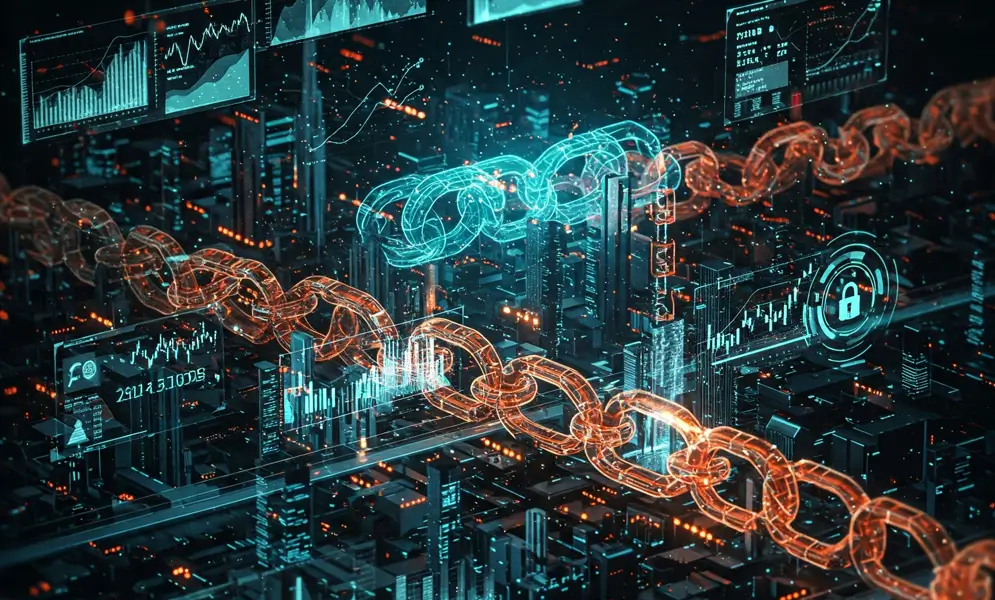
Besides, deep learning models are identifying patterns that humans often overlook, enabling traders to adjust their strategies dynamically. AI-powered trading bots are being deployed to maximize profitability while reducing exposure to volatile market conditions. However, AI’s reliance on centralized data raises security concerns, which blockchain is addressing effectively.
Key Features of AI-Driven Trading
- Predictive Analytics – Forecast market trends based on historical data.
- Algorithmic Trading – Execute trades at optimal prices with minimal human input.
- Sentiment Analysis – Evaluate market mood using news and social media trends.
- Risk Management – Identify and mitigate financial risks dynamically.
How Blockchain Strengthens AI-Driven Trading
Blockchain is enhancing AI-powered trading systems by providing a decentralized, transparent, and tamper-proof environment. Transaction records are being securely stored on a distributed ledger, ensuring data integrity. Moreover, AI models are being trained using verifiable and real-time blockchain data, improving trading accuracy.
Furthermore, smart contracts are automating trade executions securely, eliminating intermediaries and reducing delays. What’s more, decentralized identity verification is preventing unauthorized trading activities, ensuring compliance with financial regulations. As a result, AI-driven trading systems are becoming more secure, transparent, and efficient.
Blockchain’s Role in AI-Powered Trading
- Decentralized Data Storage – Prevents data tampering and enhances security.
- Smart Contracts – Automate trade execution without intermediaries.
- Immutable Records – Ensure transparent and verifiable trade history.
- Secure Identity Verification – Prevent fraudulent trading activities.
Enhancing Trading Security with Blockchain and AI
Security threats, including fraud, hacking, and insider trading, have posed significant risks to financial markets. Blockchain is strengthening AI-powered trading systems by eliminating security vulnerabilities. Tamper-proof ledgers are ensuring that trading data cannot be altered, reducing the risks of market manipulation.
Moreover, AI-powered fraud detection is analyzing trading patterns to identify suspicious activities instantly. Decentralized identity management is enhancing user authentication, preventing unauthorized access to trading accounts. As a result, blockchain and AI together are building a safer and more trustworthy trading environment.
AI and Blockchain Security Features
- Fraud Detection Algorithms – Identify and prevent suspicious activities.
- Immutable Trading Records – Ensure transparency and compliance.
- Decentralized Authentication – Secure access to trading platforms.
- AI-Based Risk Assessment – Minimize financial losses through early detection.
The Impact of Smart Contracts on AI-Driven Trading
Smart contracts are revolutionizing AI-powered trading by automating trade executions securely and efficiently. Predefined conditions are being embedded within blockchain-based smart contracts, ensuring that transactions occur only when specific criteria are met. Moreover, settlement processes are being streamlined, reducing costs and delays.

Besides, AI algorithms are analyzing market conditions to determine the best execution strategies, which smart contracts are enforcing autonomously. This integration is eliminating the need for manual intervention, reducing errors, and enhancing trade accuracy. Consequently, AI-driven trading platforms are becoming more automated, efficient, and transparent.
Benefits of Smart Contracts in Trading
- Automated Trade Execution – Enforce predefined trading conditions.
- Reduced Transaction Costs – Eliminate intermediaries and third-party fees.
- Increased Transparency – Ensure fair and tamper-proof trade settlements.
- Minimized Trade Errors – Reduce human intervention in trade execution.
Overcoming Market Volatility with AI and Blockchain
Cryptocurrency markets are notoriously volatile, making accurate predictions challenging. AI is helping traders navigate market fluctuations by identifying trends and forecasting price movements. Furthermore, blockchain is providing real-time access to transparent market data, enabling AI models to adapt to sudden changes effectively.
Additionally, blockchain-based Stablecoins are being integrated into AI-driven trading platforms, offering low-volatility trading options. AI-powered arbitrage bots are being deployed to take advantage of price discrepancies across multiple exchanges, ensuring better returns. As a result, traders are benefiting from more stable and profitable trading strategies.
AI and Blockchain’s Role in Market Stability
- Real-Time Market Data – Enhance AI-driven predictive accuracy.
- Stablecoins Integration – Provide low-volatility trading options.
- Automated Arbitrage – Maximize profits through AI-driven trade execution.
- Volatility Forecasting – Predict market fluctuations accurately.
“The fusion of blockchain and AI in trading systems is not just an evolution—it is a revolution. Secure, transparent, and automated trading solutions are shaping the future of financial markets, ensuring better decision-making and risk management.”
Dr. Alex Reynolds, Financial Technology Expert
The Future of Blockchain and AI in Trading
The financial industry is continuously evolving, with AI and blockchain shaping the future of trading systems. AI models are being trained on blockchain-verified data, ensuring unbiased and accurate trading decisions. Furthermore, decentralized finance (DeFi) platforms are integrating AI-powered analytics, creating more accessible and efficient trading environments.
In addition, regulatory frameworks are being updated to accommodate AI-driven blockchain trading systems, ensuring compliance and security. As adoption increases, AI and blockchain will drive market innovations, improve risk management, and create a more transparent financial ecosystem.
Future Trends in AI-Blockchain Trading
- Advanced AI Trading Models – Improve market prediction accuracy.
- DeFi Integration – Expand decentralized trading opportunities.
- Regulatory Adaptation – Ensure compliance in AI-driven trading.
- Global Adoption – Increase AI and blockchain-based trading platforms.
Conclusion
AI and blockchain are revolutionizing trading systems by enhancing security, transparency, and decision-making. AI-powered trading models are becoming more accurate, while blockchain is ensuring data integrity and preventing fraudulent activities. Moreover, smart contracts are automating trade execution, reducing costs and improving efficiency.
However, scalability challenges and regulatory concerns must be addressed to fully unlock the potential of AI and blockchain in trading. Despite these hurdles, it is evident that these technologies will continue to shape the future of financial markets. As adoption grows, traders and investors will benefit from a more secure, efficient, and intelligent trading ecosystem.