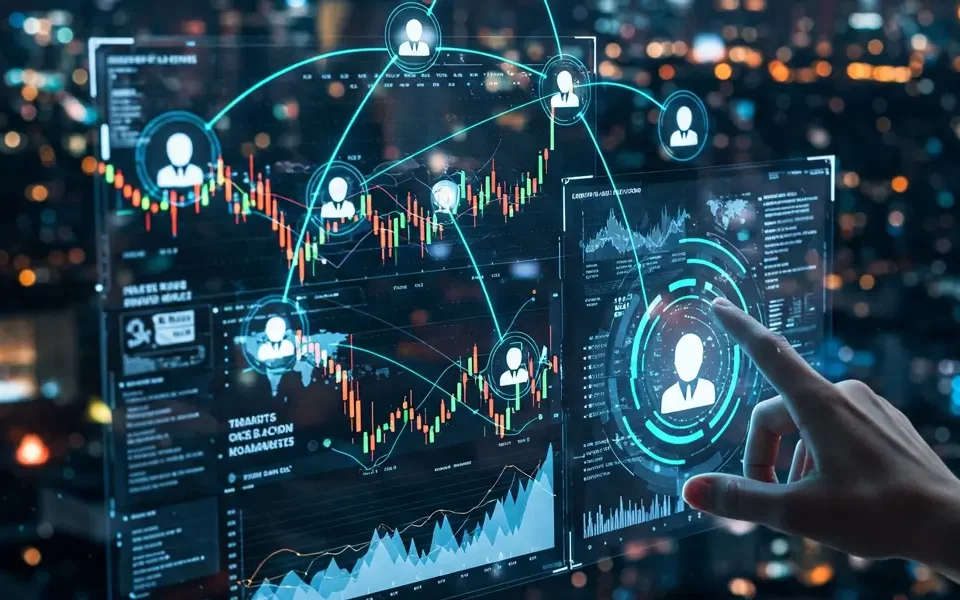

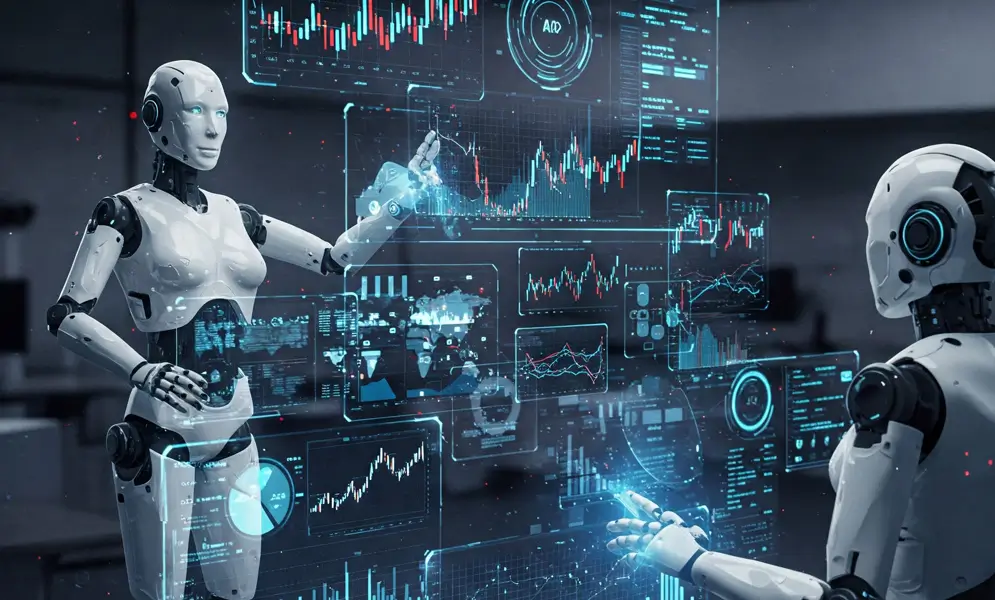
The world of finance has undergone a radical transformation with the introduction of Artificial Intelligence (AI) and Machine Learning (ML). These technologies are revolutionizing trading by analyzing massive datasets, detecting patterns, and executing trades with incredible speed and accuracy. Traders no longer need to rely solely on intuition and manual strategies; instead, AI-driven algorithms can predict market movements and enhance decision-making.
Furthermore, AI is continuously evolving, and its role in finance is expanding. It is not only used for automated trading and portfolio management, but it is also improving risk assessment, fraud detection, and sentiment analysis. As financial markets become more complex, the ability of AI to adapt and optimize trading strategies makes it an indispensable tool for traders at all levels.
The Evolution of AI in Financial Markets
Artificial intelligence has dramatically altered the landscape of financial markets, and traditional trading methods have been increasingly supplemented by advanced algorithms. In this era of rapid technological innovation, it has been observed that market data is processed in real time to deliver critical insights that were previously unattainable.
Moreover, the evolution of AI in finance has been characterized by continuous improvements and innovation. Data analytics and algorithmic trading have been revolutionized by the integration of automated systems that can interpret complex market signals.
In addition, the utilization of these systems has been credited with enhancing decision-making processes, and as a result, more precise trading strategies have been developed. Ultimately, these advancements have been welcomed as a turning point in the history of financial trading.
How AI is Transforming Trading Strategies
Artificial intelligence (AI) and machine learning have revolutionized financial markets by enhancing trading strategies through data-driven insights. These technologies analyze vast datasets at an unprecedented speed, allowing traders to identify patterns and execute decisions with greater precision.
- AI-powered algorithms detect market anomalies faster than traditional methods.
- Machine learning adapts to changing market conditions, refining strategies over time.
- Automated trading systems reduce human biases, improving efficiency.
Moreover, these advancements have led to the rise of high-frequency trading (HFT), where AI-driven systems execute thousands of trades within seconds. This shift has significantly increased market liquidity and efficiency, offering traders an edge over those relying solely on traditional methods.
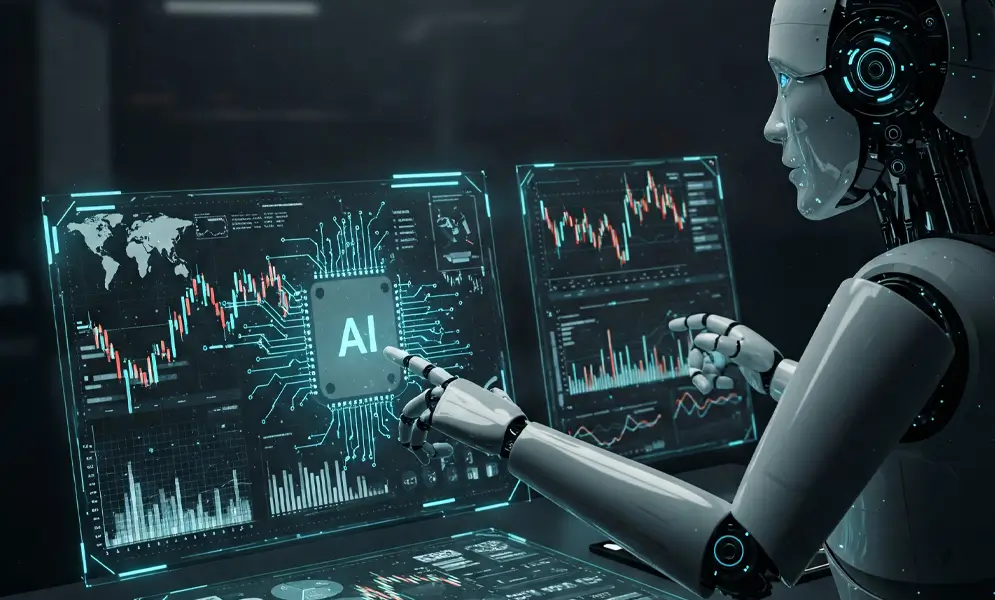
AI-based trading strategies rely on deep learning techniques to recognize complex patterns in historical data. These algorithms continuously evolve by incorporating new market data, ensuring traders stay ahead of sudden price movements.
Additionally, AI-powered trading bots are reshaping the trading landscape by executing trades based on predefined strategies. They minimize human errors and emotional decision-making, enabling a disciplined trading approach that often results in higher profitability.
Machine Learning and Predictive Analytics
Machine learning models are designed to analyze past trading patterns and predict future market trends. They incorporate factors such as historical data, news sentiment analysis, and economic indicators to generate actionable insights.
- Deep learning networks process vast amounts of unstructured financial data.
- Sentiment analysis tools assess market mood through news and social media.
- Predictive analytics enable traders to anticipate price movements more accurately.
Furthermore, AI continuously refines its models by learning from previous market behavior. This self-improvement ensures that trading strategies remain relevant even in volatile market conditions, reducing risk exposure while maximizing potential gains.
Predictive analytics plays a crucial role in reducing uncertainty in financial markets. By leveraging statistical models and machine learning techniques, traders can make informed decisions about asset allocation, portfolio management, and risk mitigation.
Moreover, AI-driven natural language processing (NLP) tools scan financial news, earnings reports, and analyst recommendations to extract meaningful insights. These insights assist investors in understanding market sentiment, allowing them to anticipate price fluctuations.
“The best trading strategies are no longer devised by human intuition alone; AI has changed the game entirely.”
John Doe, Financial Analyst
AI-Driven Risk Management in Finance
Risk management in finance has been significantly enhanced by the adoption of AI-driven methodologies, and conventional approaches have been redefined by advanced technology. Automated systems have been implemented to monitor market conditions in real time, and early warning signals of potential risks have been identified with improved accuracy.
Furthermore, AI-based risk management techniques have been adopted widely by both large-scale financial institutions and emerging fintech companies. These systems have been engineered to simulate various market scenarios and to predict the likelihood of adverse events. As a result, regulatory frameworks have been updated to accommodate these innovative solutions, and risk exposure has been minimized through proactive measures.
Enhancing Risk Assessment with AI
Risk management is a crucial component of trading, and AI plays an instrumental role in assessing and mitigating financial risks. AI-driven systems analyze vast quantities of market data, identifying potential risks that might be overlooked by human analysts.
- Real-time data processing enhances early risk detection.
- AI models simulate various market conditions to predict future risks.
- Automated alerts notify traders of significant market shifts.
Again, AI’s ability to detect irregularities and fraud in trading transactions has transformed risk assessment. Financial institutions now use AI-powered tools to safeguard against insider trading, money laundering, and cyber threats.

AI models assess portfolio risk by considering asset correlations, macroeconomic factors, and historical volatility. By doing so, they generate customized risk metrics that guide investment decisions.
Additionally, machine learning algorithms identify anomalies in trading patterns, alerting institutions to potential fraudulent activities. These proactive risk mitigation measures have significantly reduced instances of financial crime and unauthorized trading.
The Role of AI in Portfolio Optimization
Portfolio management has also seen substantial improvements with AI integration. Machine learning algorithms assist investors in diversifying their portfolios by analyzing historical data and identifying assets with optimal risk-reward ratios.
- AI evaluates multiple asset classes simultaneously to balance risks.
- Algorithms adjust portfolios in real time based on market trends.
- Predictive analytics help investors make informed asset allocation decisions.
Lastly, AI-driven portfolio management reduces emotional decision-making, ensuring investment choices are based on data rather than speculation. This approach leads to more stable and profitable portfolios in the long run.
By incorporating AI into portfolio management, investors gain access to advanced risk assessment models that minimize exposure to unpredictable market fluctuations. Additionally, AI continuously monitors market conditions, allowing for real-time rebalancing of investment portfolios.
Furthermore, hedge funds and asset managers are increasingly leveraging AI-driven portfolio strategies to optimize returns. These strategies utilize algorithmic trading models that adjust asset weightings dynamically, maximizing performance under different market conditions.
The Future of AI in Trading
The future of trading is envisioned to be dominated by the continuous integration of AI, and emerging technologies have been poised to redefine market dynamics further. With the rapid advancements in machine learning and big data analytics, trading strategies have been optimized for efficiency and precision. Investors have been encouraged to adopt these innovative tools, and it has been observed that the democratization of trading platforms has been achieved through the widespread availability of AI-powered solutions.
In addition, it has been anticipated that AI will continue to drive significant changes in the financial sector, and ethical considerations have been actively addressed by industry leaders. Collaborative efforts between regulatory bodies and market participants have been initiated to ensure that the deployment of AI in trading is both transparent and responsible.
Furthermore, continuous research has been conducted to explore new applications, and it has been predicted that these technological advancements will lead to more resilient and adaptive trading systems in the near future.
AI and the Democratization of Trading
As AI technology becomes more accessible, it is leveling the playing field in financial markets. Retail investors now have access to AI-powered trading platforms that were once exclusive to institutional investors.
- AI-driven robo-advisors provide personalized investment strategies.
- Automated trading platforms execute trades efficiently for individuals.
- AI-powered research tools enable traders to make data-informed decisions.
Moreover, the integration of AI into financial markets is fostering a more inclusive trading environment, empowering individuals to compete with institutional players using advanced tools and analytics.
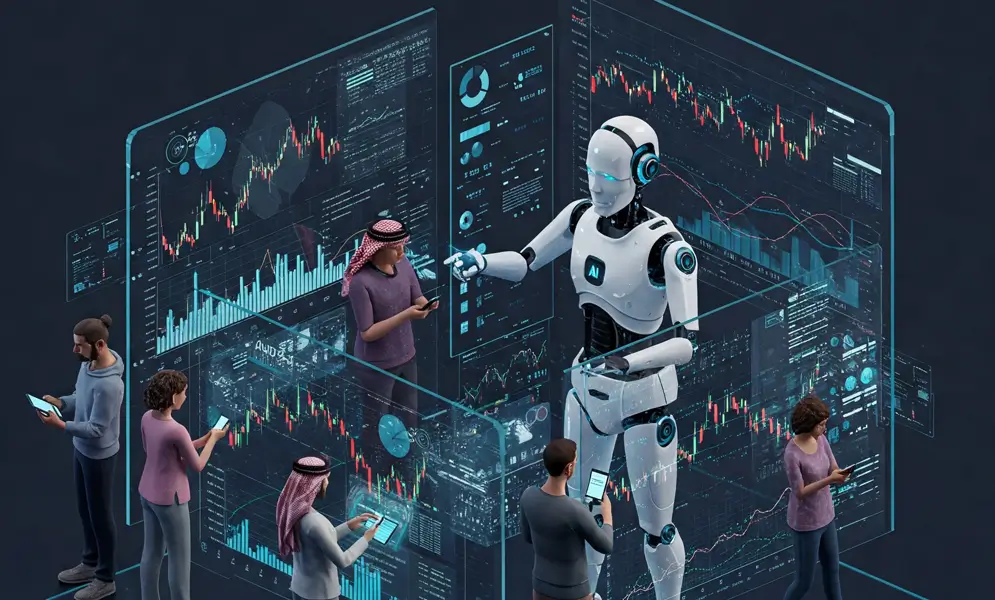
The rise of AI in trading has also led to an increase in algorithmic trading adoption. Automated trading platforms execute trades based on pre-set conditions, ensuring disciplined trading practices and reducing human biases.
Furthermore, AI is being integrated into brokerage platforms, offering retail investors access to institutional-grade market insights. This shift is empowering traders of all experience levels to make informed trading decisions with greater confidence.
Ethical Considerations and Challenges
Despite its advantages, AI in finance raises ethical concerns and regulatory challenges. Market manipulation, algorithmic biases, and lack of transparency are issues that regulators and financial institutions must address.
- AI-driven trading can create market volatility if not regulated properly.
- Bias in AI models may lead to unfair trading advantages.
- Ensuring transparency in AI decision-making is crucial for trust.
Furthermore, while AI enhances trading efficiency, it also necessitates strict regulatory frameworks to prevent misuse. Financial institutions must work closely with regulators to ensure AI-driven trading remains ethical and beneficial to all market participants.
Regulatory agencies are now developing frameworks to monitor AI-driven trading activities. These frameworks aim to maintain market integrity while promoting innovation in financial technology.
Moreover, ethical considerations surrounding AI-generated trading signals are becoming increasingly relevant. Traders and financial firms must ensure that AI-driven strategies align with ethical investing principles, promoting fair and responsible market practices.
Conclusion
In conclusion, the impact of artificial intelligence and machine learning on financial trading has been both transformative and far-reaching. It has been demonstrated that data-driven insights have empowered investors to anticipate market movements with unprecedented accuracy, and traditional trading methods have been effectively supplemented by automated systems.
Finally, it has been affirmed that the future of trading will be characterized by a harmonious blend of human expertise and AI-driven technologies. Ethical frameworks have been established to ensure that the rapid advancements in this field are managed responsibly, and continuous collaboration between regulators and industry stakeholders has been pursued.